
No Oaks, No Birds
Which native plants pull the most weight?

What if just a handful of the right native plants could support the vast majority of the life in your yard?
Welcome to Week 3 of the Homegrown National Park newsletter series!
Last week, we explored the big idea: that conservation doesn’t have to happen somewhere far away; it can begin in your own backyard with native plants.
This week, we’re digging deeper.
We’re talking about keystone species, a small group of native plants that play an outsized role in supporting biodiversity. Just like keystone animals (like wolves in Yellowstone), keystone plants hold the ecosystem together. Without them, everything begins to unravel.
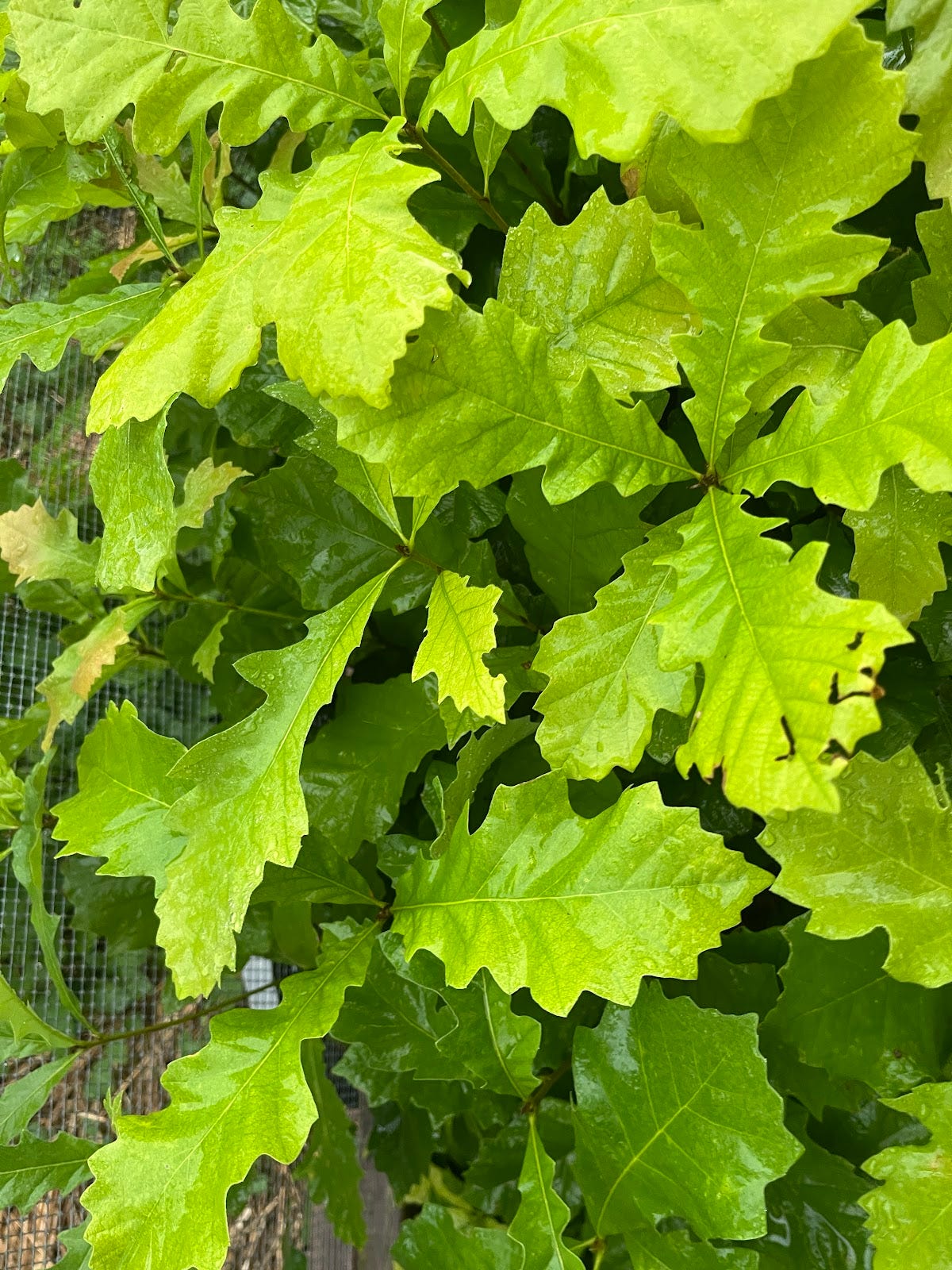
🌿 Why This Topic Matters
Planting native is a powerful act, but not all native plants have the same ecological impact.
Some native species support hundreds of insects, birds, and pollinators. Others? Just a few.
That’s where keystone plants come in.
A keystone species is a plant (or animal) that has a disproportionately large impact on its environment relative to its abundance. In other words, they're the MVPs of your local ecosystem.
“Keystone plants are the backbone of local ecosystems. Without them, the food web collapses.” - Dr. Doug Tallamy
These are the plants that feed the caterpillars that feed the birds. They provide pollen for specialist bees, seeds for wildlife, and shelter for countless creatures. In short: they do the heavy lifting.
By prioritizing these powerhouse species in your garden or yard, you can create a habitat that truly supports life, even in a small space.
🐝 How Keystone Plants Support Wildlife
Here’s why focusing on keystone plants matters so much:
They feed the most caterpillars – Caterpillars are the #1 food source for baby birds. Keystone trees like oak (Quercus) and cherry (Prunus) host hundreds of species.
They support specialist bees – Many native bees rely on specific plants for pollen. Without them, these pollinators disappear.
They rebuild the food web – Keystone plants sit at the base of a chain that includes insects, birds, mammals, reptiles, and even soil microbes.
And the kicker? 96% of terrestrial birds rely on insects that depend on these keystone plants.
No keystones? No caterpillars. No caterpillars? No birds.
🌸 5 Ways to Prioritize Keystone Plants in Your Yard
Start simple. Focus on native plants that benefit your local ecology the most.
Choose Keystone Genera for Your Ecoregion – In the Eastern Temperate Forests (where I live), top performers include oak (Quercus), cherry (Prunus), willow (Salix), birch (Betula), and goldenrod (Solidago).
Use the 80/20 Rule – Ensure that 80% of your plantings are high-impact native species. The rest can be native "fillers" for aesthetics or function.
Layer Your Planting – Include keystone trees, shrubs, and flowering perennials to support wildlife at every level.
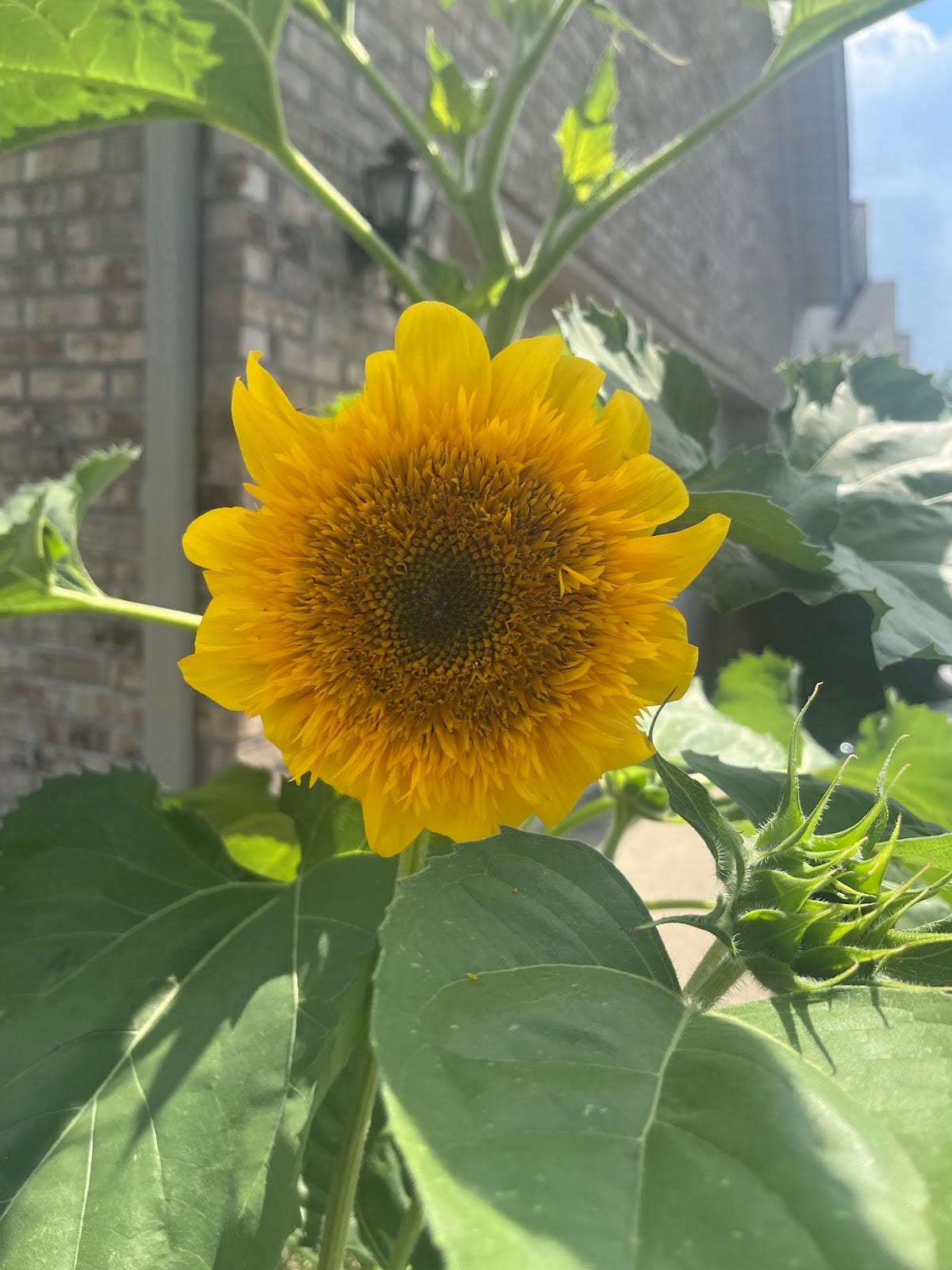
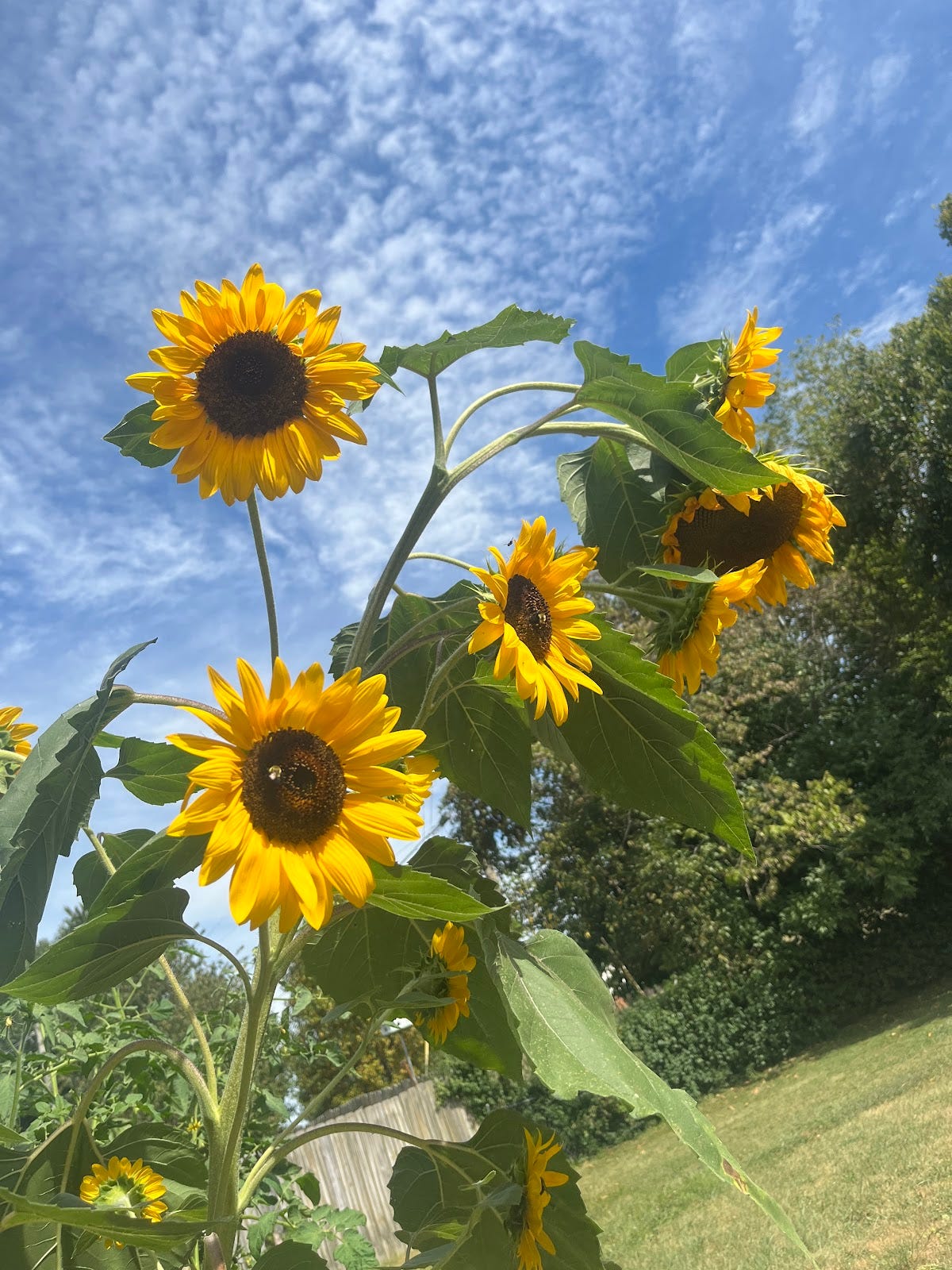
Feed Both Caterpillars and Bees – Look for plants that host caterpillars and serve specialist bees, like sunflower (Helianthus) and goldenrod (Solidago).
Find Your Ecoregion’s Best List – Don’t live in the Eastern Temperate Forests? Check your region’s keystone plant list here:
👉 Keystone Plants by Ecoregion – National Wildlife Federation
🌿 Pro Tip: Oaks are the gold standard. If you only plant one tree this year, make it an oak.
🌳 What We’re Doing at Backyard Berry
At Backyard Berry Nursery, we’ve shifted our entire planting philosophy to put keystone species at the center.
We grow native fruiting plants like American plum, elderberry, and serviceberry, but we also surround them with companions that serve a bigger ecological purpose.
This season, we’re focusing on:
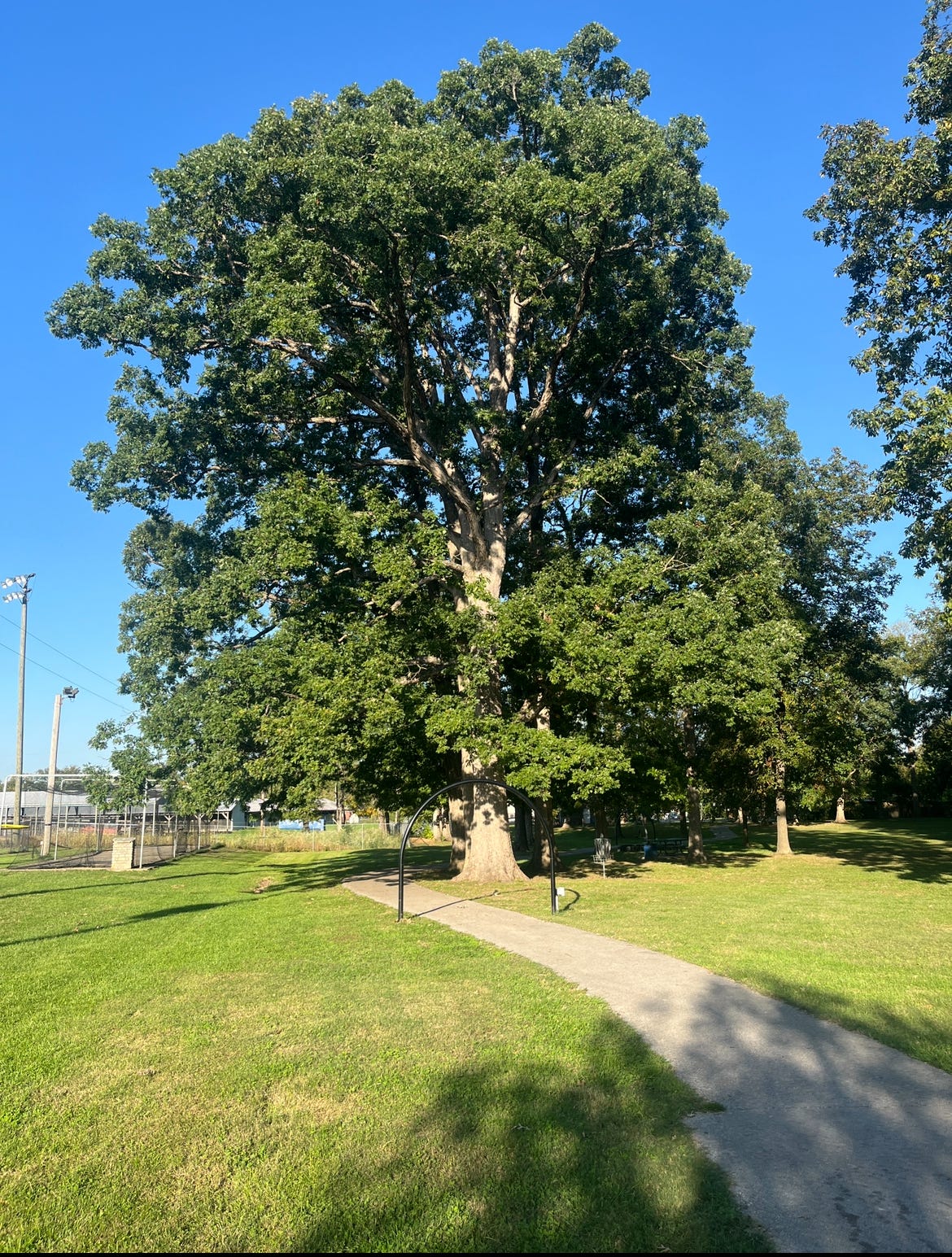
White Oak (Quercus alba) – A true keystone giant. White oaks support over 500 species of caterpillars, making them one of the most important trees for wildlife in North America. They’re unmatched when it comes to feeding birds and insects alike.
Goldenrod & Aster Mixes – Late-season bloomers that feed dozens of bee species and support fall-migrating butterflies.
Prunus hedgerows – Not just for fruit, but for biodiversity. Black cherry and American plum support 300+ species of Lepidoptera.
At our nursery, we don’t just think about what a plant produces, but we think about what it supports.
While we do offer some non-native edible species, our core focus is on native edible plants that nourish both people and the ecosystem. Every plant is chosen with biodiversity in mind.
🚫 Myth-Busting: “A Native Plant Is Always Better”
Not quite.
Yes, native plants are better than non-natives, but not all natives are equally effective.
Some native plants only support a few insects.
Some bloom briefly or offer limited habitat value.
Some are regionally native, but not locally adapted.
By focusing on keystone plants in your ecoregion, you maximize your ecological return on effort.
This isn’t about perfection, it’s about impact.
“To restore functioning ecosystems, we must plant the species that sustain them.”
– Doug Tallamy
🌼 Your Role: What to Do Next
This week, take a few minutes to evaluate your garden with fresh eyes.
✅ Make a list of the native plants you currently grow.
✅ Use Native Plant Finder to see how many caterpillar species each supports.
✅ Add or plan for at least one keystone plant this fall.
Even one oak. One plum or native cherry. One goldenrod.
Each adds a link to the chain and helps bring nature home.
You are the steward now.
Your choices shape the future.
🧭 Next Week: Creating Wildlife Habitats—Your Backyard as a Sanctuary
Next time, we’ll talk about how to turn your yard into a true habitat, not just a garden. From plant layering to messy corners that buzz with life, we’ll show you how to welcome wildlife into your space.
📩 Know someone who wants to grow a garden that supports birds, bees, and biodiversity?
Forward this email to a friend or family member and invite them to join the movement.
Until then,
🌱 Stay curious,
🪴 Stay rooted,
🌍 Stay hopeful,
Travis
Backyard Berry Nursery
Explore regenerative practices, crop profiles & ecological nursery planning. Subscribe to follow along.
In the book, "Native Plant Agriculture" (https://lovenativeplants.com/npabook) published by Indigenous Landscapes, special focus is given to 'thicket species' as a category that is crucially important for timing and species support but has been all but eliminated as modern agriculture has eaten up ever larger tracts of land. These thicket species also happen to be among the smaller of the woody species and many provide foods that can be harvested for human consumption. Altogether providing an opportunity to broaden relationships between backyard or balcony horticulturalists of even the densist of urban areass and the impact their stewardship can have in the local community of pollinators, birds and small mammals. My initial picks were American Hazelnut, Wild Plum, Black Chokecherry, Thimbleberry, Witchhazel and Spicebush.
I have one oak in my yard as well as pine, spruce, Manitoba maple, caraganna, saskatoon, apple, a variety of shrubs, and the beginning of a small orchard. I have noticed an increase in the birds this year and know it will only get better as I add more flowers and fruit.